Delhi – Explore the vibrant capital of India, famous for its historic monuments, bustling markets, and delicious street food.
Rising 73 m above the historic grounds of Mehrauli, the Qutb Minar is the tallest brick minaret in the world and a UNESCO World Heritage Site.
(also called Agrasen Kund) is a hidden gem in the heart of Delhi's Mehrauli district, just a stone's throw from the Qutb Minar complex.
The first great Mughal mausoleum in Delhi and a true precursor of the Taj Mahal. the complex blends Persian architecture with Indian motifs, set in a vast 30-acre garden of water canals and walkways.
Jama Masjid, the largest mosque in Delhi, is located in the heart of old Delhi and is a showcase of Mughal freshness. Built in the 17th century, the complex spans 30 acres and can accommodate up to 25,000 worshippers simultaneously.
the beating heart of Old Delhi, a maze of alleyways that has been buzzing for over 400 years, winding alleyways filled with stalls selling steaming street food classics like jalebi, paratha, and the legendary halwa-puri.
the most iconic Gurudwara in the capital, a shining beacon of spirituality and history. Built in 1783 by Sardar Baghel Singh, the site originally housed a small "house" (bangla).
Agra – Discover the timeless beauty of the Taj Mahal, one of the world's most iconic monuments of love.
A stunning marble mausoleum known for its intricate inlay work and as the inspiration for the Taj Mahal.
Agra Fort is the massive red sandstone citadel that dominates the banks of the Yamuna River. The fort combines military strength with palatial luxury, and it also became the residence of the royal family within a 2 km long complex of halls, courtyards and gardens.
the "Garden of the Moon" on the other side of the Yamuna. It is best to visit 30 minutes before sunset to catch the light and avoid the nighttime crowds in Agra.
Jaipur – Experience the royal heritage of Rajasthan through majestic forts, colorful narrow bazaar streets, traditional handicrafts, and authentic local cuisine.
A visit to the Taj Mahal, one of the Seven Wonders of the World. Its construction mobilized more than 21,000 workers and craftsmen from all over the world. This ivory-white mausoleum sits on the banks of the Yamuna.
Visit Fatehpur Sikri on the way. A UNESCO World Heritage Site, it showcases stunning red sandstone architecture, grand palaces, courtyards, A perfect glimpse into India’s royal history.
Explore the Maharaja's City Palace, a testament to Jaipur's royal heritage. Built by Maharaja Jai Singh, this architectural masterpiece is home to the former royal family.
Immerse yourself in the scientific ingenuity of the Jantar Mantar, a collection of nineteen astronomical instruments built by the Rajput king Sawai Jai Singh. A UNESCO World Heritage Site.
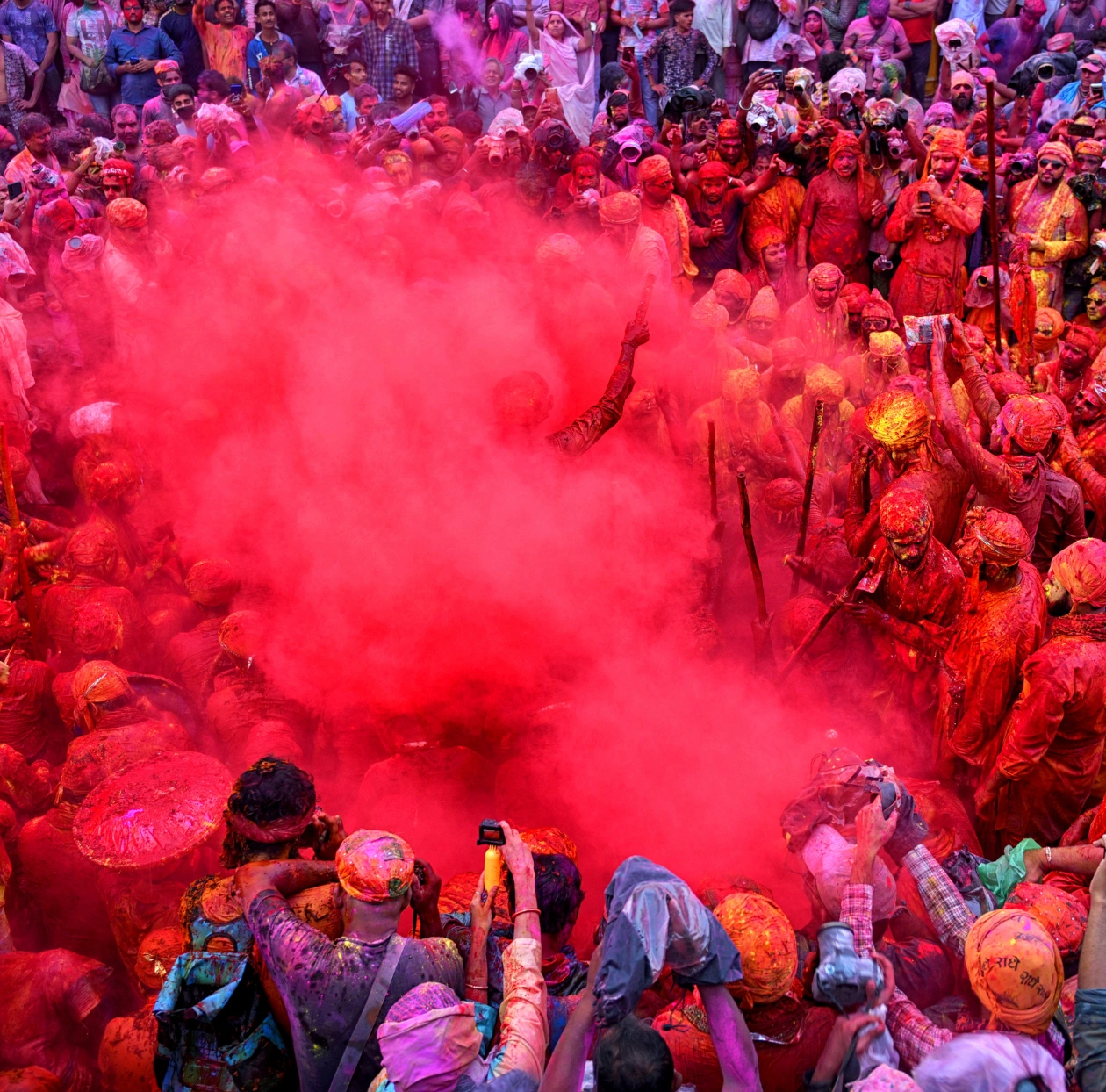
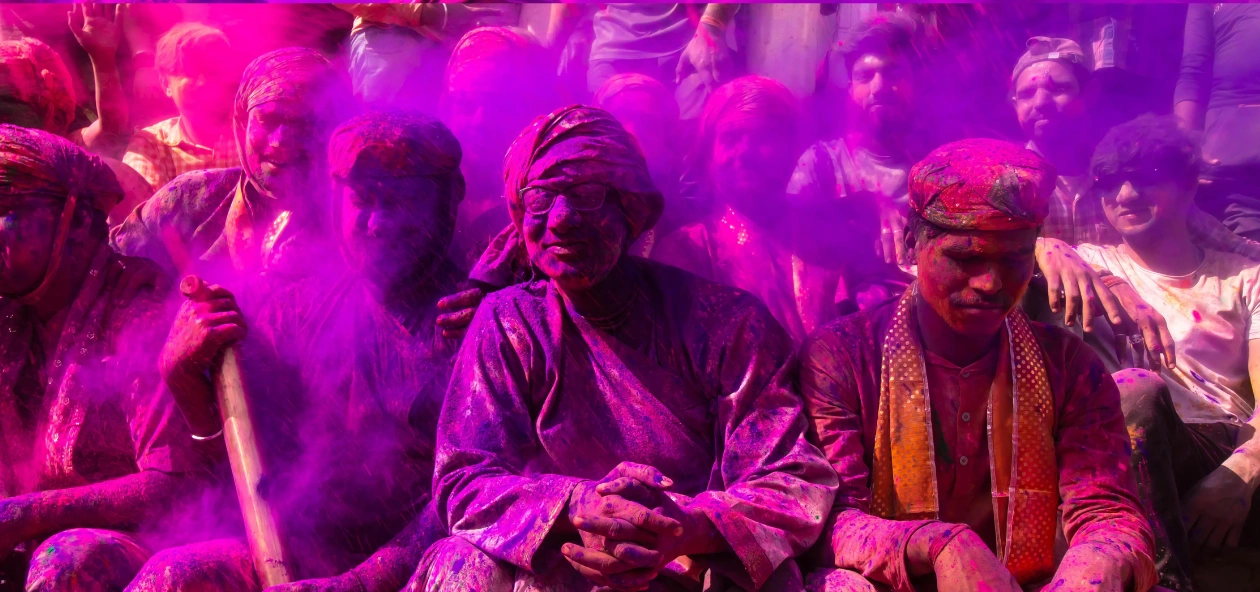
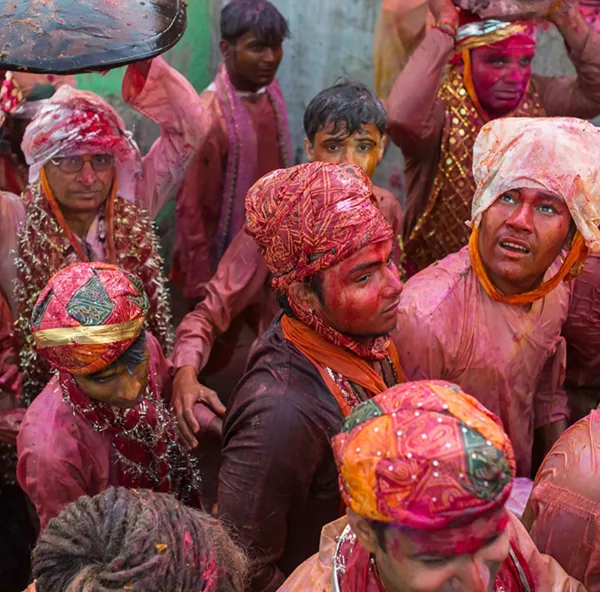
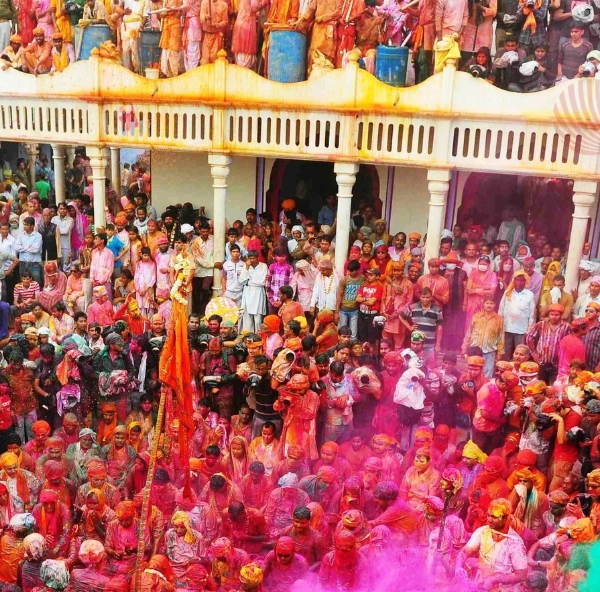
Jaipur Holi Experience – Stroll through Jaipur’s colorful bazaars and witness the festive preparations for Holi, with vibrant powders, decorations, sweets, and a lively local atmosphere.
Admire the iconic Palace of the Window. Designed to offer a glimpse into the city's daily life, this palace features stepped arches and intricate lattice screens.
Discover the historic stepwell, known for its symmetrical staircases and efficient rainwater harvesting system, located near the Amber Fort.
Marvel at the grandeur of the Amber Fort, an exemplary blend of Hindu and Muslim architecture. Perched atop steep hills outside Jaipur, built of red sandstone and white marble.
Experience the tranquility of Jal Mahal, a captivating water palace located in the heart of picturesque Man Sagar Lake.
Immerse yourself in history at the Royal Gaitor Tombs, an 18th-century complex adorned with intricate carvings and dedicated temples.
Opportunity to experience Holi Festival ceremonies, depending on the schedule and local event timings.
Celebrate Holi festival at the temple.
Rajasthan government also organiged a Holi festival programme in Hotel Khasa Kothi.
The most popular story is the triumph of good over the evil king Hiranyakashipu. His son Prahlad, a devoted follower of Vishnu, survived a poisoned Holi attempt thanks to divine protection. When the king’s sister Holika tried to burn Prahlad, the fire turned on her instead. The next day people lit bonfires (Holika Dahan) to mark the victory of faith.
Holi falls at the end of winter, welcoming spring. The colours symbolize blossoming crops, fresh flowers and the renewal of nature.
On Holi everyone throws coloured powder and water, breaking social barriers. It’s a time to forgive past grievances, strengthen friendships and spread joy.
Tour ends with drop-off in Jaipur or Delhi, depending on your preference.
Get your custom itinerary designed by local travel experts within 24 hours.
Copyright © Go India Trips, All Rights Reserved.